By Alfred Opio
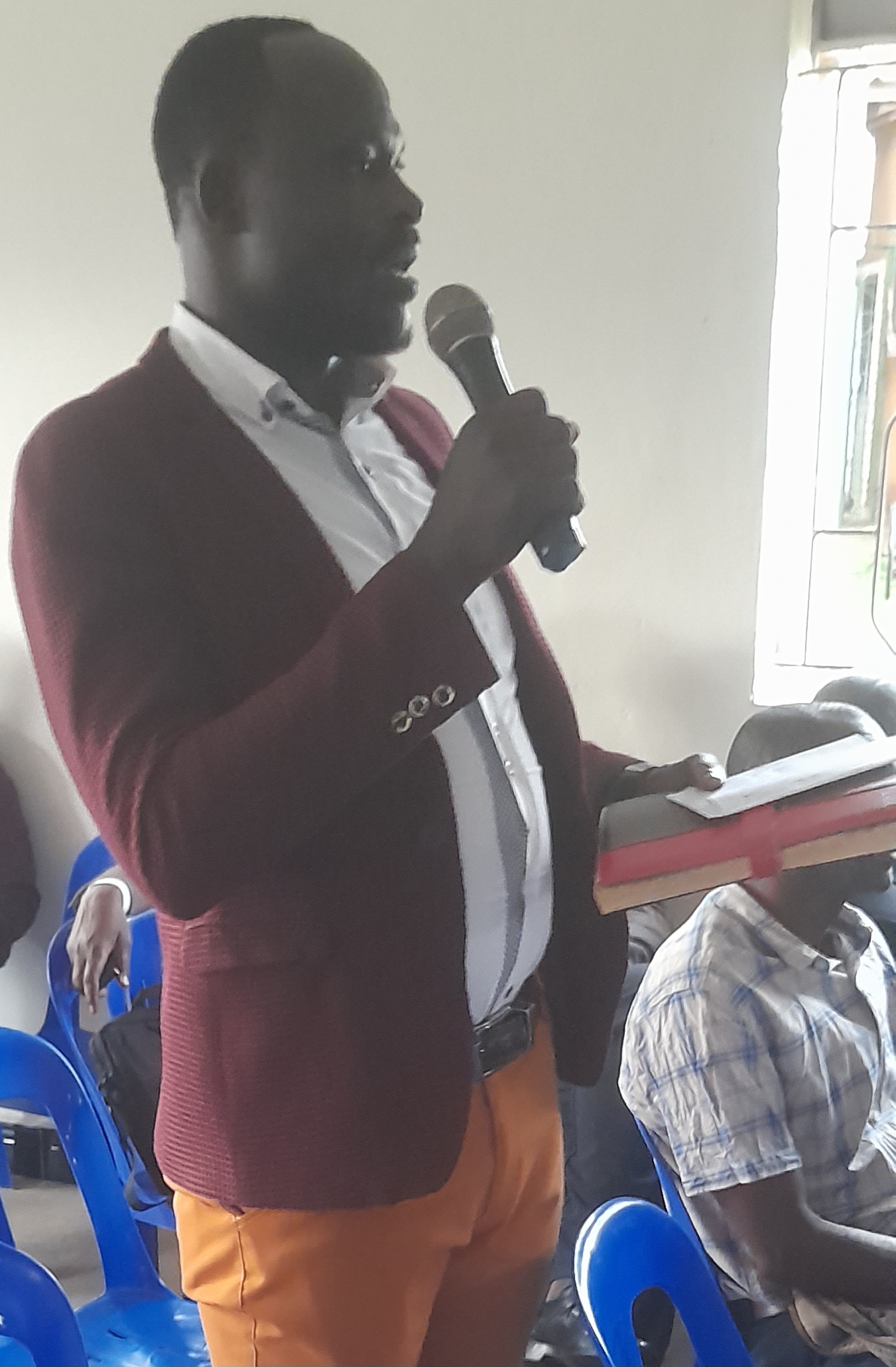
The district councillor representing Agule Town Council in Pallisa District, William Agaret, has called on the district health authorities to prioritize the distribution of mosquito nets instead of continuing with the ongoing Indoor Residual Spraying (IRS) campaign.
Agaret made the appeal following increasing resistance from communities across the district towards the spraying exercise aimed at combating malaria.
According to the councillor, many residents have rejected the spraying teams, raising concerns about the strong and unpleasant smell produced by the chemicals used during the spraying process.
Reports from several communities indicate that some spraying operators have even faced hostility from residents, with incidents where operators were allegedly assaulted after entering homes without permission to carry out the exercise.
Agaret warned that forcing communities to accept a program they are uncomfortable with could escalate tensions between residents and health workers.
“It would be better for the government to distribute mosquito nets rather than forcing people to embrace a program they are not willing to accept,” Agaret said.
He noted that in the areas he represents in Agule Town Council, many households have declined to allow spraying teams into their homes due to the strong odor associated with the chemicals used in the exercise.
The councillor also questioned the effectiveness of the spraying program, claiming that some residents continue to complain about mosquito bites even after their houses have been sprayed.
“Mosquito nets work very well because once a person covers himself or herself properly, mosquitoes cannot access them to bite,” he added.
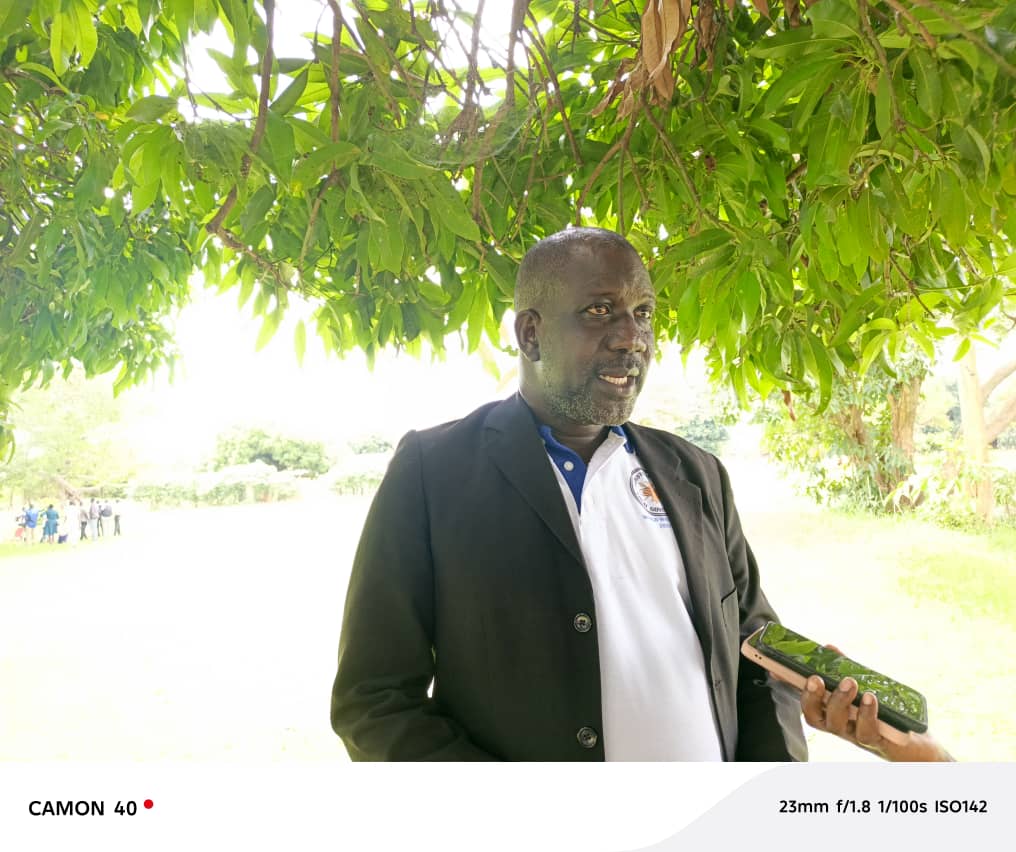
However, the Pallisa District Health Officer, Godfrey Mulekwa, defended the Indoor Residual Spraying program, describing it as a government-approved intervention aimed at reducing malaria infections.
Mulekwa explained that the program is being implemented in several districts across the country and urged residents to cooperate with the spraying teams.
“This program is not only being implemented in Pallisa but in many districts across the country. People should embrace it because it has been approved by the Ministry of Health and it has no harmful effects,” Mulekwa said.
He further clarified that mosquito nets are also distributed to communities, but typically after the spraying exercise has been completed.
The Indoor Residual Spraying campaign is currently ongoing across Pallisa District and is expected to conclude over the weekend. Health authorities remain hopeful that continued community engagement will help improve acceptance of the program as part of the broader effort to combat malaria.